Rechargeable vs Disposable Batteries: Which Actually Saves You More Money?

Introduction

South Africans buying a new torch almost always hit the same fork in the road: rechargeable, or the kind that takes regular batteries? It sounds like a small decision, but it changes how much you’ll spend over the next few years, how reliable your flashlight is during an emergency, and even how often you’ll be running to the shop for batteries. Here’s the honest breakdown of rechargeable vs disposable batteries, and which one actually saves you money.


The Quick Answer

For most people, a rechargeable flashlight saves significantly more money over time – often paying for itself within the first year of regular use. Disposable-battery torches still make sense in specific situations: true backup lights that sit untouched for months, or torches used so rarely that a rechargeable battery would lose its charge sitting in a drawer.


Upfront Cost: Disposable Wins the First Purchase

There’s no getting around it, disposable-battery flashlights are usually cheaper to buy. You’re not paying for a built-in lithium-ion battery or charging circuitry, so the flashlight itself costs less off the shelf. If you only need a torch once or twice a year, this lower entry price can make sense.


Long-Term Cost: Rechargeable Wins by a Wide Margin

This is where the math flips hard in favour of rechargeable.

A single decent AA or AAA battery in South Africa costs roughly R15–R25, and most torches need 2–4 of them. If you use a torch a few times a week, which is normal during outages, load shedding, camping trips, or nightly dog walks, you can burn through a set of batteries every few weeks.

A rechargeable 18650 battery, by contrast, is a once-off cost of roughly R150–R250 and is rated for 500–700 charge cycles before it needs replacing. Charged from a USB port or wall plug, the cost per charge works out to a few cents in electricity.

Run the numbers over a year of regular use, and a rechargeable torch typically costs a fraction of what you’d spend continuously buying disposables.


Reliability: It Depends on How You Use It

Rechargeable torches need to be charged; if you forget, and the light has been sitting for months, it may not have a full charge when you actually need it. This is the strongest argument in favour of disposables for a true “break glass in emergency” light: a sealed torch with fresh batteries can sit in a drawer for a year and still work immediately.

The Practical Fix: A Hybrid Approach

The setup many South African households use is having one dedicated rechargeable torch for daily use, kept topped up like a phone, and a backup disposable-battery torch stored away purely for emergencies. Some flashlights solve this dilemma entirely by supporting both power types in one unit.


Environmental Impact

Disposable batteries are single-use and end up as landfill waste. If you go through a set every few weeks, that adds up fast over a year. Rechargeable batteries dramatically cut down on waste since one battery replaces hundreds of disposables over its lifespan, a meaningful factor if sustainability matters to you as a buyer.


When Disposable Batteries Genuinely Make More Sense

  • True standby emergency lights that might not be touched for 6–12 months
  • Backup torches for guests, cars, or emergency kits where convenience of “just add batteries anywhere” matters more than long-term cost
  • Very occasional use – a handful of times a year, where a rechargeable battery would likely self-discharge before you needed it again


Best Rechargeable Flashlights From Lightsaver

If daily or frequent use is the goal, these are worth a look:

LS-370 Rechargeable Flashlight

2,500 lumens, up to 730m throw on Turbo, and burn times from 1.5 hours (Turbo) right up to 30 hours (Moonlight mode). A strong all-rounder for outdoor and professional use. View the LS-370 →


Lightsaver LS-219 Rechargeable Spotlight

The premium option, using LEP laser technology for a 3,000-lumen, 800m beam, plus a USB power bank function so it doubles as backup power for your phone. View the LS-219 →

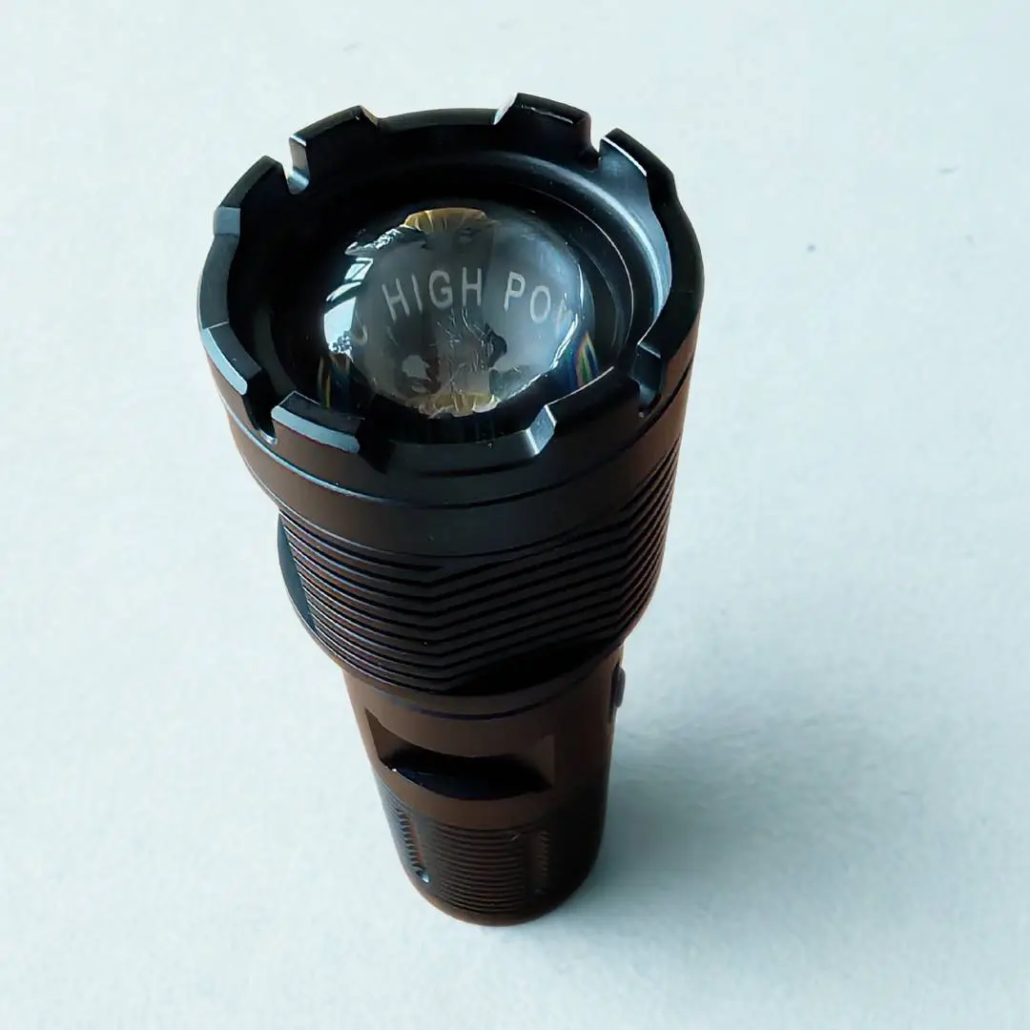
LS-DT Rechargeable Pocket Flashlight

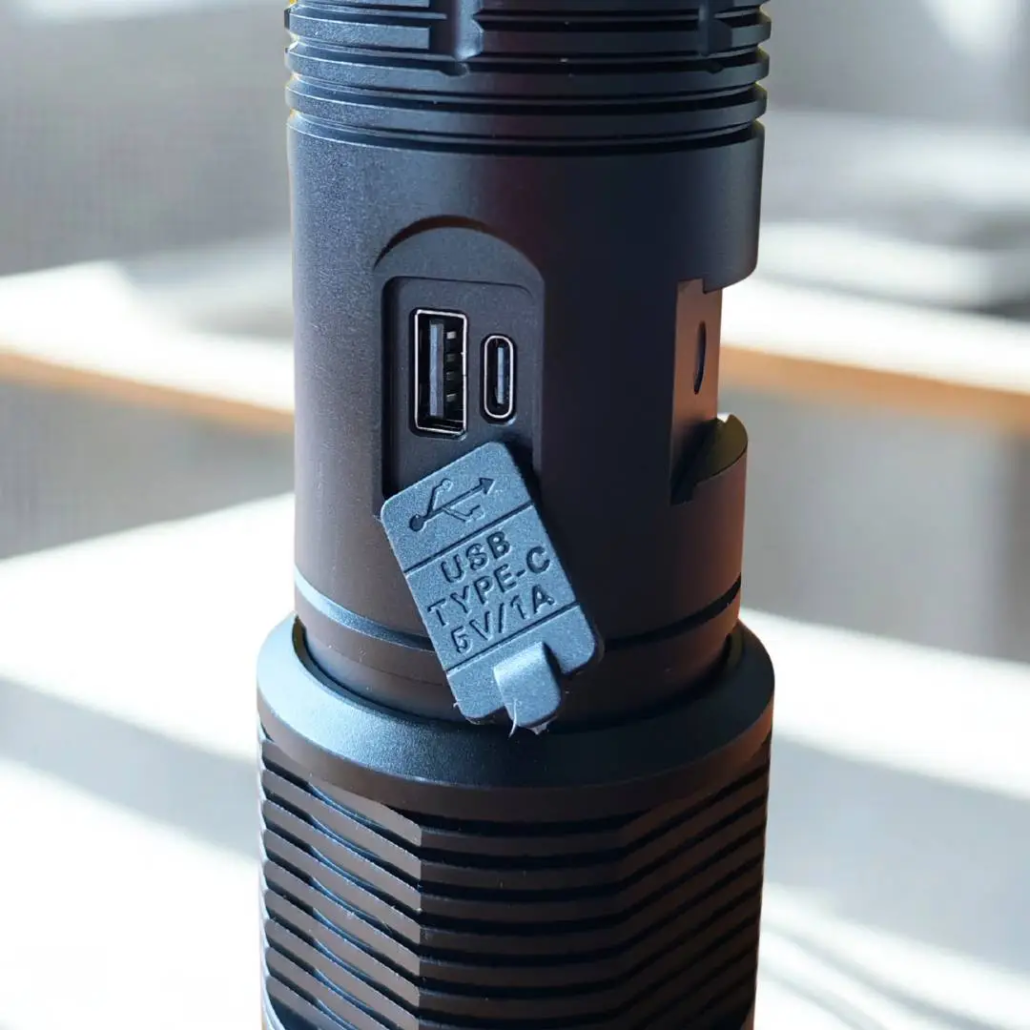
Compact everyday-carry option with Type-C fast charging, ideal for a torch you’ll actually use daily. View the LS-DT →


Best Hybrid & Disposable-Battery Options

For a backup light or a torch that needs to work with whatever batteries are on hand:

LS-817 Rechargeable Flashlight

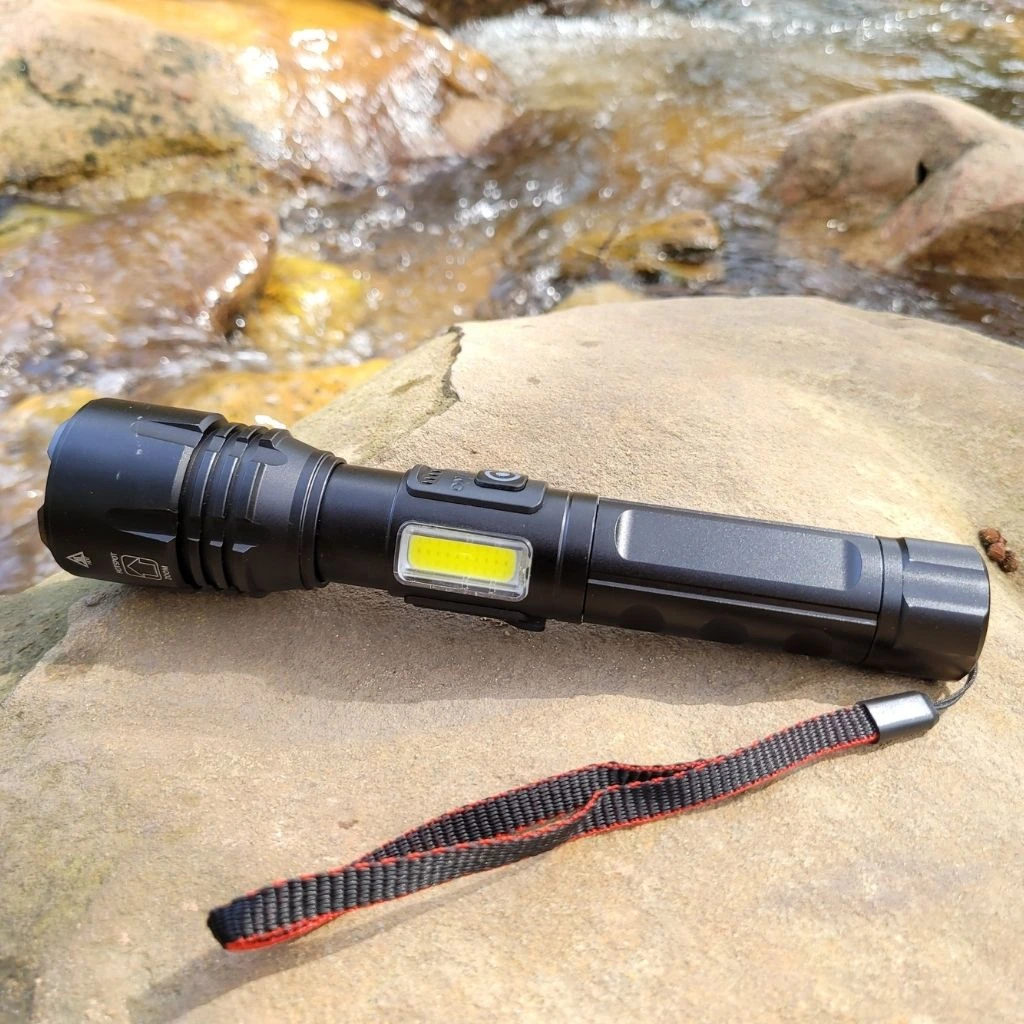
The best of both worlds, with 3 different power source options including a disposable battery backup, so it never leaves you stranded. View the LS-817 →


LS-310 Tactical Flashlight

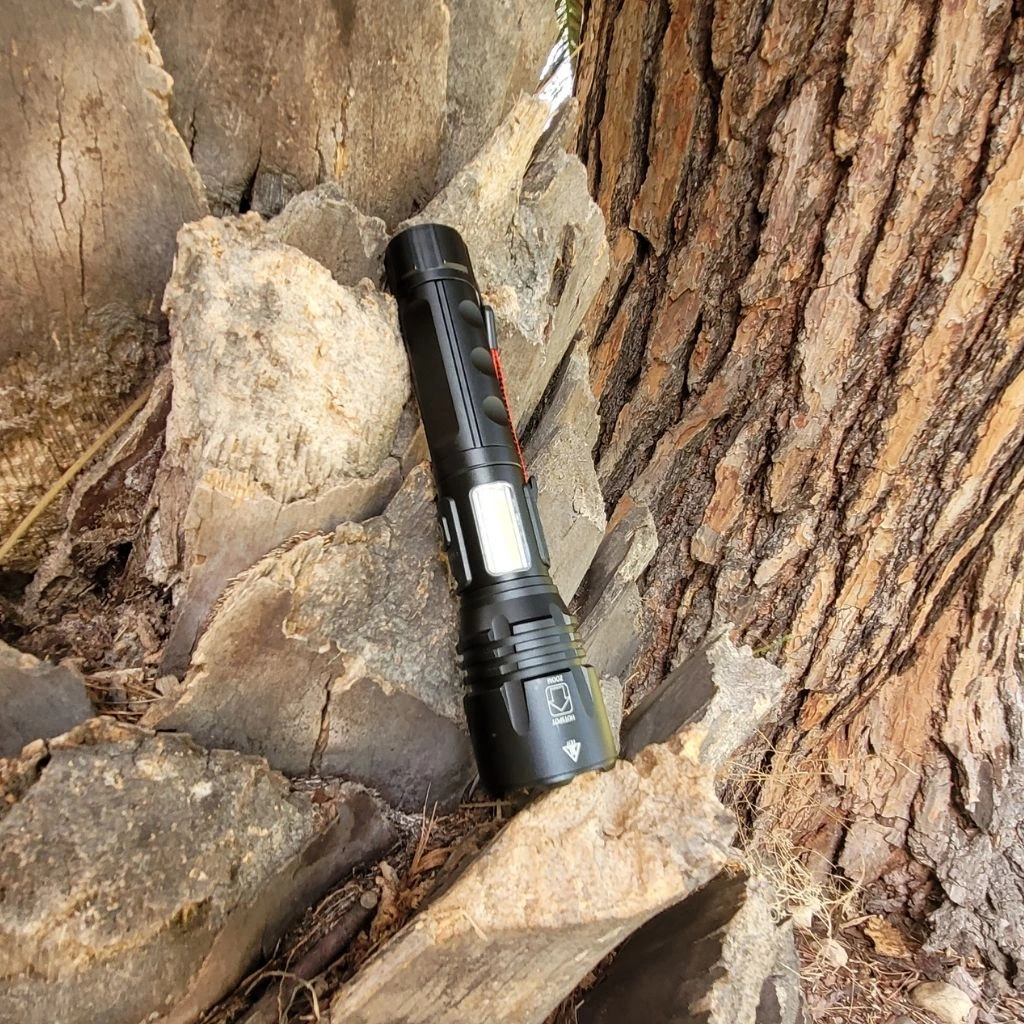
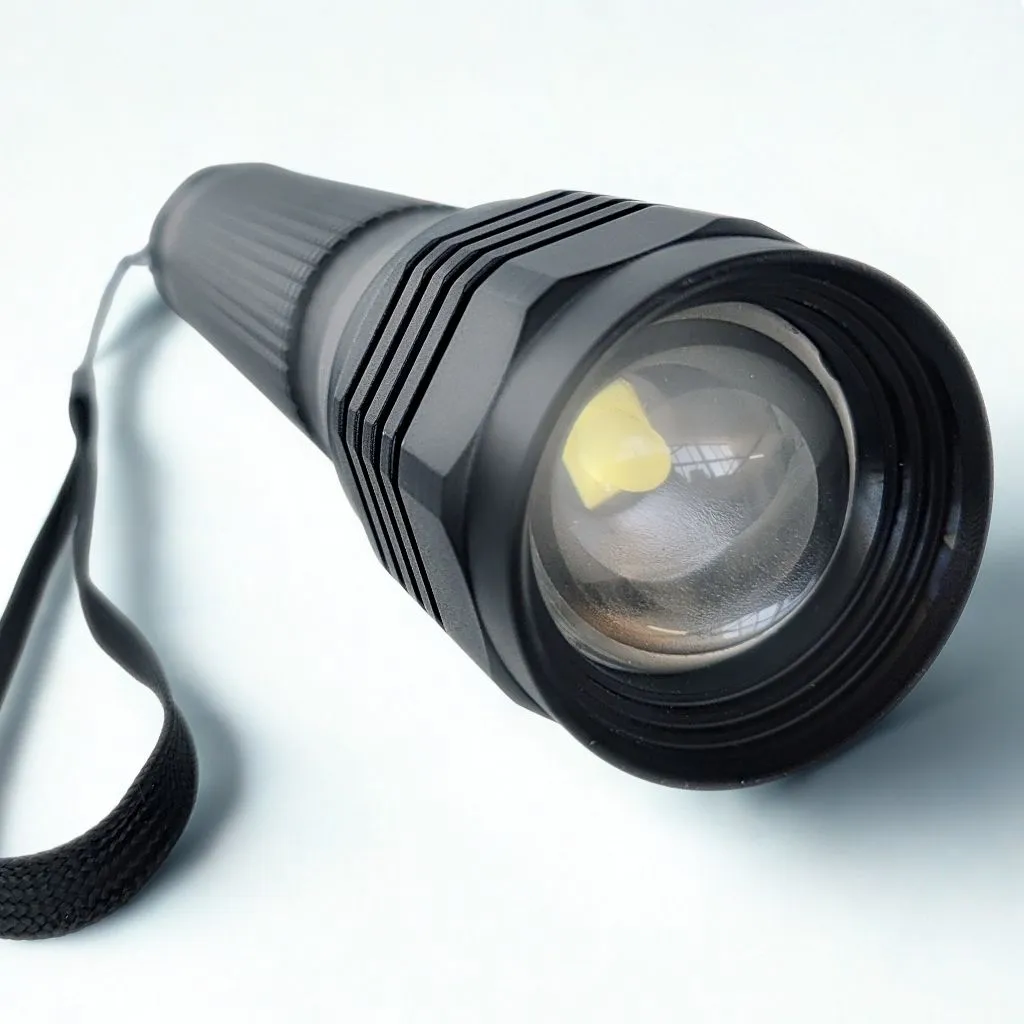
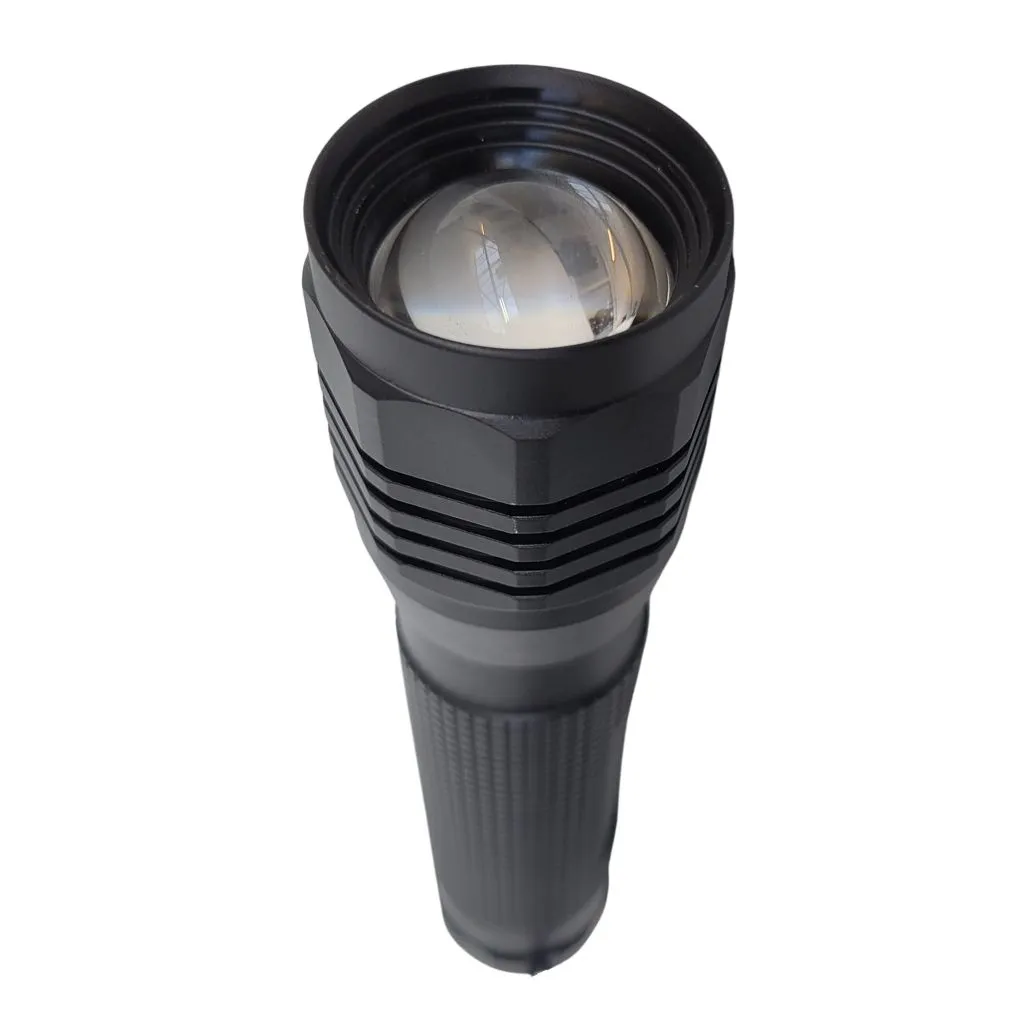
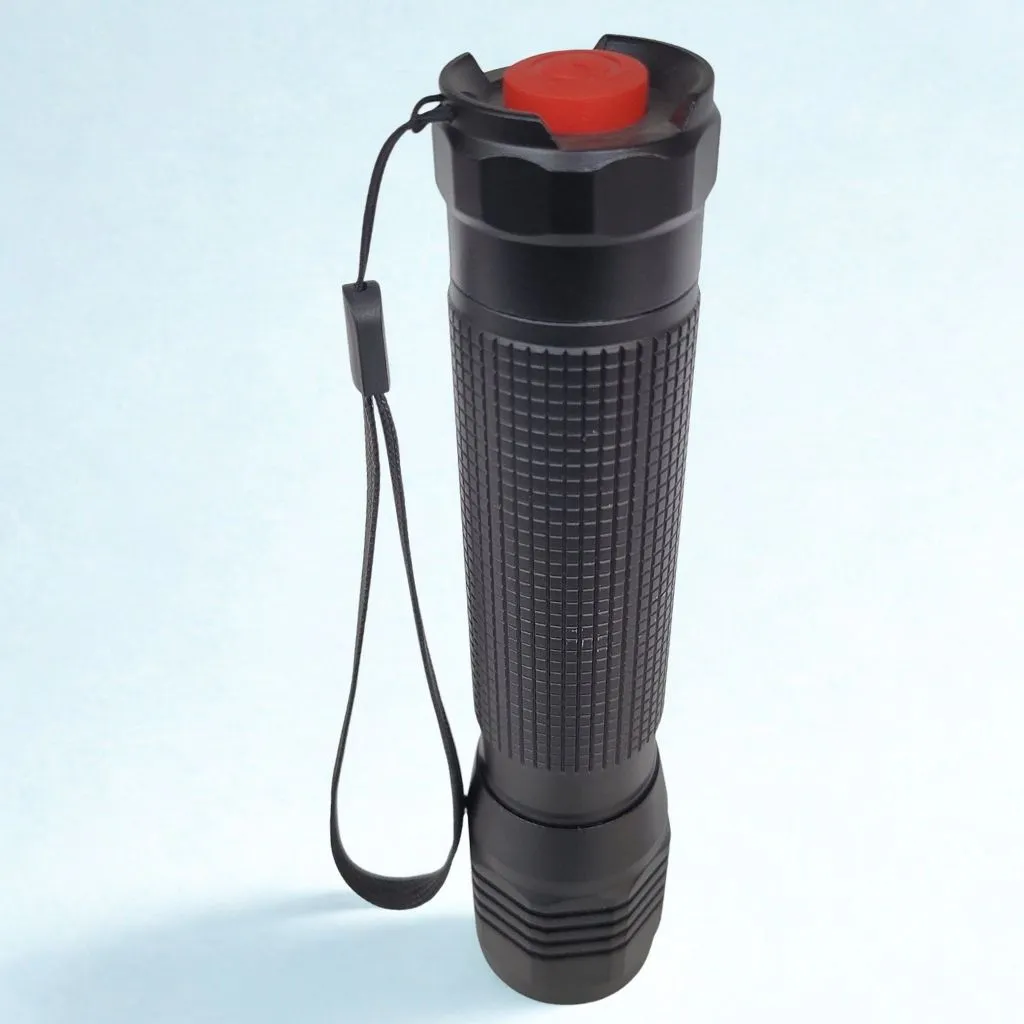
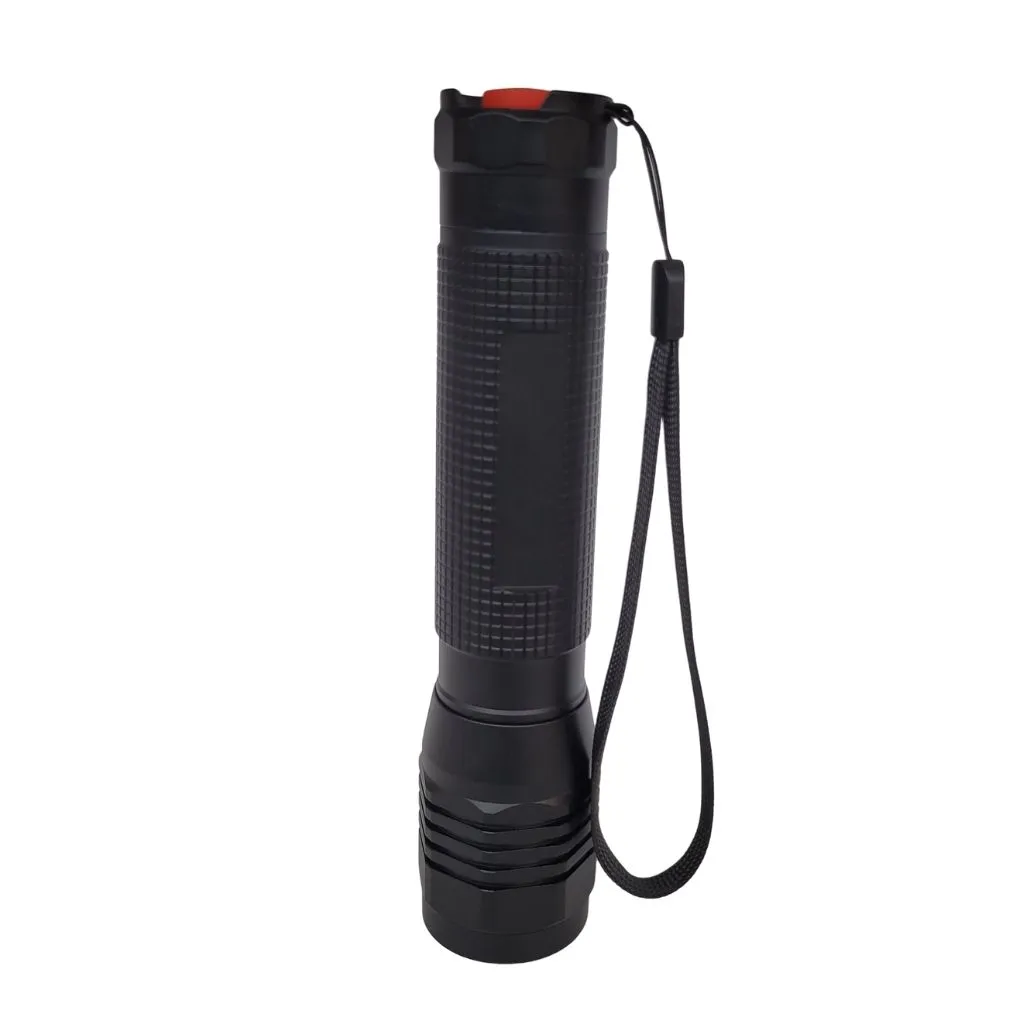
A genuinely non-rechargeable option at 600 lumens, well suited to a car glovebox or emergency kit where shelf life matters more than running costs. View the LS-310 →

The Verdict

If you’ll use your torch more than a handful of times a month, rechargeable is the clear financial winner; the battery cost alone will pay off the price difference within months. Keep one reliable disposable-battery torch as backup for true emergencies, and you get the best of both: everyday savings, and peace of mind when the power’s out, and you haven’t charged anything in a while.


Frequently Asked Questions

(see lithium-ion battery lifecycle wiki here)

White Laser Wick (LEP): The Future of Flashlights

There’s a quiet revolution happening in the world of portable lighting, and it goes by the name of LEP – Laser Excited Phosphor. You may have heard it called “white laser wick” technology, and if you haven’t yet, you will soon. At Lightsaver, we believe in putting the best technology in your hands, and LEP is the most significant leap forward in flashlight and spotlight technology in years.

So what exactly is it, how does it differ from the COB and LED lights you already know, and why should you care? Let’s break it down.


What Is LEP (White Laser Wick) Technology?

LEP stands for Laser Excited Phosphor. The “wick” refers to a tiny phosphor element, often no larger than a grain of rice, that is excited (energised) by a high-intensity violet or blue laser diode. When the laser beam strikes the phosphor wick, it converts that energy into an extraordinarily bright, focused beam of white light.

The result? A highly focused, intensely pure beam that can throw light over distances that conventional LED or COB torches simply cannot match.

Think of it like this: where an LED floods a room with light, an LEP launches light down a corridor, across a field, or into the distance like a precision instrument.


How Does LEP Compare to LED and COB?

LED (Light Emitting Diode)

LED technology transformed lighting when it went mainstream. LEDs are energy-efficient, long-lasting, and produce excellent general-purpose illumination. Most quality flashlights, headlamps, and work lights today use LED emitters.

Strengths of LED:

  • Wide flood beam, great for close-range and area lighting
  • Excellent energy efficiency
  • Long lifespan (50,000+ hours)
  • Available in a huge range of colour temperatures
  • Very affordable

Limitations of LED:

  • Throw distance is limited – light disperses quickly
  • Difficult to collimate into a tight, long-range beam
  • Intensity (lux at distance) drops off sharply

COB (Chip-on-Board)

COB takes multiple LED chips and mounts them directly onto a single substrate, creating a single, high-density light source. This produces a very bright, broad flood of light, perfect for area lighting, work lights, and floodlights.

Strengths of COB:

  • Extremely high lumen output in a compact area
  • Smooth, even light distribution
  • Great for close-range and wide-area lighting
  • Cost-effective for high-brightness applications

Limitations of COB:

  • Even harder to focus than single LEDs, the large emitter surface resists tight beam formation
  • Not suitable for long-range throw
  • Runs warmer and requires good thermal management

LEP – White Laser Wick

LEP is fundamentally different from both. Because the phosphor wick is so tiny (a near-point light source), it can be focused by a lens or reflector into an extraordinarily tight beam with almost no divergence. This means light travels far further before spreading out.

Strengths of LEP:

  • Exceptional throw distance – LEP torches regularly achieve 1,000m+ beam reach
  • Ultra-high intensity (lux) at long range – far surpassing LED at distance
  • Near-point light source – allows tight, precise beam collimation
  • Pure white, high-CRI light – excellent colour rendering at distance
  • Impressive efficiency at high output levels

Limitations of LEP:

  • Less effective as a flood/area light – it’s a long-throw specialist
  • Typically higher cost than LED equivalents
  • The laser component requires safe-use awareness (never shine directly into eyes)

Head-to-Head: LEP vs LED vs COB at a Glance

FeatureLEDCOBLEP
Best useGeneral purposeArea/flood lightingLong-range throw
Beam typeFlood to throwWide floodTight, focused
Throw distanceModerateLowExceptional
Lux at 100m+Low–moderateVery lowVery high
Energy efficiencyExcellentGoodExcellent at high output
Light source sizeSmallLargeNear-point (tiny wick)
CostLow–moderateLow–moderatePremium
LifespanVery longVery longVery long


Why Would You Choose LEP?

LEP torches are not for everyone – they’re specialists. But for the right applications, nothing else comes close.

Choose an LEP torch if you need to:

  • Search over long distances – security, search and rescue, farm patrol, or wildlife spotting at night
  • Signal or identify objects far away – marine use, or large property surveillance
  • Cut through adverse conditions – the tight, intense beam of an LEP penetrates light fog, dust, and smoke more effectively than a broad flood beam
  • Impress and perform – LEP torches produce a visually striking, pencil-thin beam of pure white light that no LED torch can replicate

If you’re doing close-range camp lighting, reading in a tent, or illuminating a workshop, stick with a quality COB or LED. But if you’re scanning dark ground from a vehicle, monitoring a large property, or need a torch that genuinely reaches where others give up, LEP is your technology.


Lightsaver’s LEP Torch: The LS-219

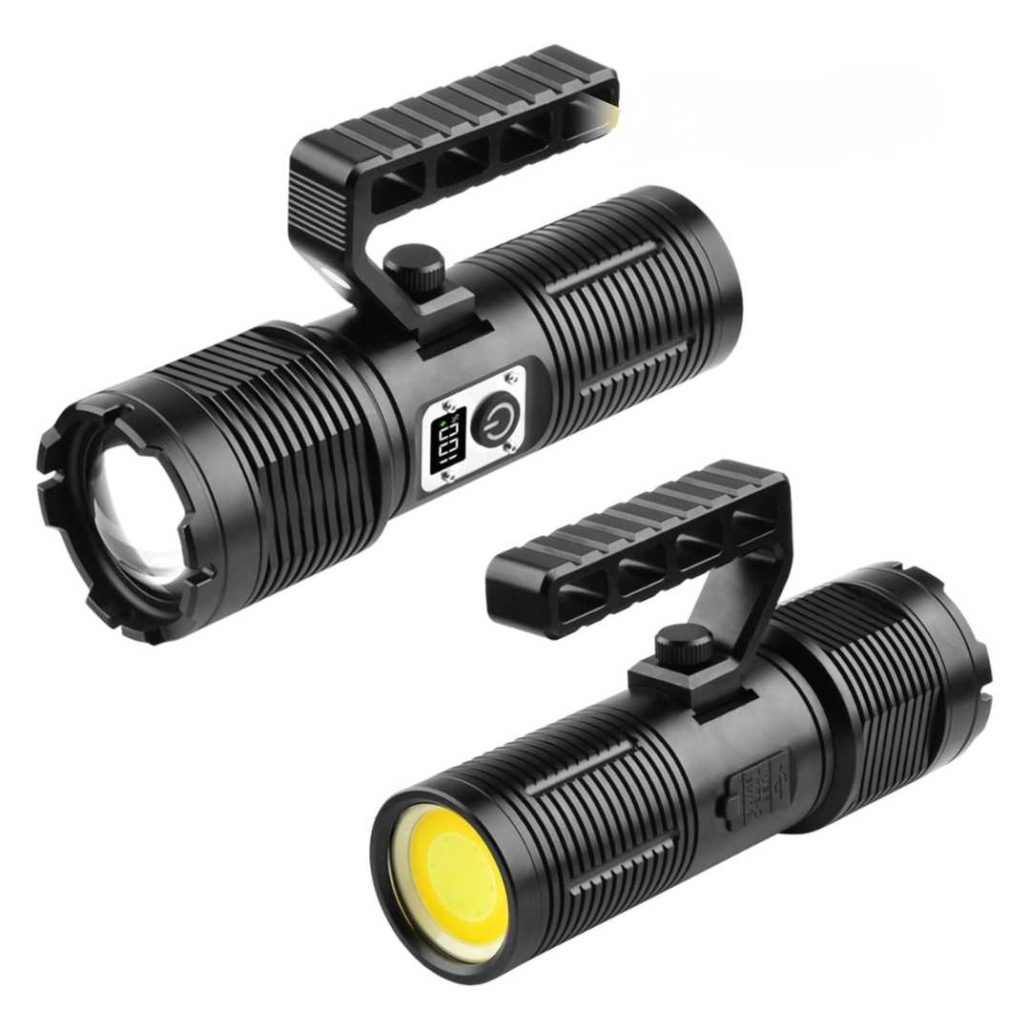
We’re proud to offer the LightSaver LS-219 Rechargeable LEP Spotlight, and it’s not just any LEP flashlight. The LS-219 is a genuinely dual-purpose light, built with both technologies described in this article working together in one rugged, rechargeable package.

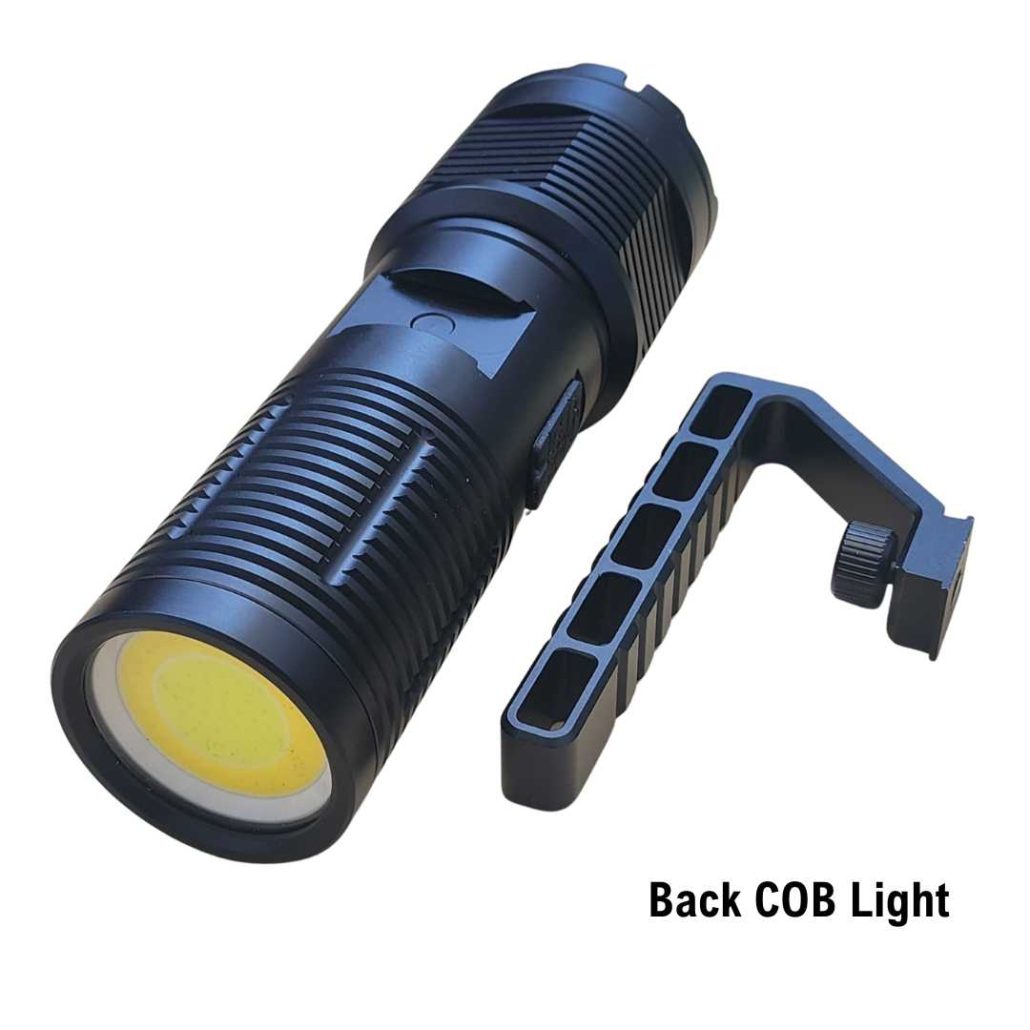
At one end, the LEP white laser wick delivers that piercing, long-distance throw, ideal for scanning distant ground, identifying objects hundreds of metres away, or cutting through the dark on large properties. Flip it around, and the COB array on the opposite end floods your immediate surroundings with broad, even area light, perfect for working under a vehicle bonnet, lighting up a campsite, or illuminating a room during a power outage.

It’s the rare flashlight that genuinely does both jobs well, without compromise. You don’t have to choose between throw and flood, the LS-219 gives you both, in one hand, whenever you need either.

Built for real-world South African conditions, whether you’re on the farm, at a remote site, or need serious reach, the LS-219 is the most versatile torch in its class.

View the LightSaver LS-219 Rechargeable LEP Torch →

Illuminate Your Adventures Anywhere with Ultra-Compact Lighting

Wherever life takes you – camping, hiking, working, or preparing for emergencies – having a powerful yet compact light is essential. At Lightsaver, we specialize in high-performance, rechargeable lighting solutions that fit right in your pocket. Let’s explore three of our most portable and versatile lights.


LS-K12 Rechargeable Mini Keychain Flashlight – Power in Your Pocket

ultra-compact light - Lightsaver LS k12 keychain light

Smaller than your palm but packed with power, the LS-K12 Mini Keychain Flashlight offers three bright lighting modes (100%, 50%, and strobing) for any situation. Clip it to your keys, bag, or pocket and never be caught without light again.

Why You’ll Love It:

  • Tiny but Mighty: Despite its small size, it provides reliable, bright illumination.
  • Hands-Free Convenience: Features a magnet, collapsible stand, and carabiner clip for easy placement.
  • Multi-Use Tool: Equipped with a bottle opener, Type-C charging port, and battery charge indicator.
  • Durable & Weather-Resistant: Built to withstand everyday adventures and unexpected emergencies.


View LS K12 Product Page For More Info


LS-K147 Multifunctional Keychain Flashlight – Your Ultimate Everyday Carry

The LS-K147 Keychain Flashlight is a 700-lumen powerhouse packed with survival and emergency tools. Its six lighting modes, including white, yellow, and red flashing settings, provide adaptable illumination wherever you go.

What Makes It Essential?

  • More Than Just a Flashlight: Functions as a seatbelt cutter, whistle, screwdriver, bottle opener, and even a lighter.
  • Portable Yet Powerful: Lightweight, impact-resistant, and designed to fit effortlessly into your everyday carry.
  • Completely Hands-Free: A magnet and hanging hook allow for effortless attachment to surfaces.
  • Expansive Illumination: Brightens up to 7 meters, ensuring clarity in all conditions.

LIGHTSAVER LS-k147 Keychain flashlight


View LS K147 Product Page For More Info


LS-K148 Rechargeable Multifunctional Headlamp – Hands-Free Lighting, Anywhere

For those who need light without the hassle, the LS-K148 Multifunctional Headlamp delivers seven adaptable lighting modes and a detachable pocket clip, making it the ultimate hands-free lighting tool.

Why You Need It:

  • Customizable Lighting: COB & main light settings, including red flashing for emergencies.
  • Compact & Versatile: Small enough to fit in a pocket, yet powerful enough for outdoor adventures.
  • Convenient Hands-Free Design: Built-in magnet and hanging hook make it easy to use anywhere.
  • Durable & Reliable: Waterproof (IPX4) and impact-resistant, ensuring it lasts in tough conditions.
  • Long-Lasting Performance: Burns up to 6 hours per charge, keeping you illuminated for longer.


View LS K148 Product Page For More Info


Take Your Lighting Anywhere – Shop Lightsaver Now!


Whether you need a pocket-sized flashlight, a keychain survival tool, or a powerful headlamp, Lightsaver has you covered. Our compact, rechargeable lights ensure you’re prepared for any situation—without taking up space.

Find your perfect light today and experience portable power like never before!

Lumen Guide – How Many Lumens Do I Need?

Choosing the right flashlight brightness in lumens is essential for ensuring optimal visibility and performance in various activities and environments. While selecting the appropriate brightness level can be challenging, considering factors such as the intended use, environment, and personal preferences can help you make an informed decision.