
In the dynamic realm of safety and security, particularly in South Africa’s unique landscape, bulletproof vests emerge as a critical line of defence against an array of potential threats. From the ominous spectre of ballistic projectiles to the looming danger of stabbing and bludgeoning assaults, the significance of bulletproof vests cannot be overstated. With safety concerns at the forefront of our minds, gaining a comprehensive understanding of body armour is essential for making informed decisions about personal protection.
In this detailed blog post, we’ll dive into the world of bulletproof vests, covering their various types, materials, and protection levels. Our goal is to provide you with the knowledge and insights you need to choose the right gear for your safety needs, especially considering South Africa’s security challenges.
Bulletproof Vests: Not All Are Created Equal
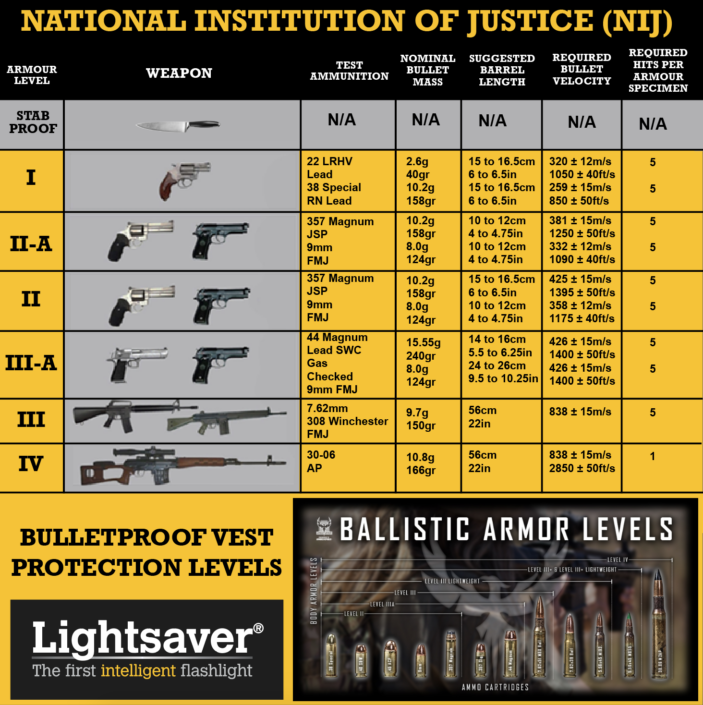
Body armour is essential for protection against a range of threats, including stabbing, bludgeoning, and gunfire. The National Institute of Justice (NIJ) sets threat levels for ballistic vests, ranging from soft to hard armour variations across six different levels.
Soft Armour Overview:
Soft armour epitomizes a fine balance of lightweight construction and flexible functionality, predominantly crafted from advanced Aramid materials like Kevlar. These meticulously woven Aramid threads boast an impressive ability to thwart bullets by effectively distributing the force of impact across the fabric. Soft armour offers a harmonious blend of comfort and protection, rendering it an ideal choice for professionals who demand both mobility and security. Whether it’s law enforcement officers navigating urban landscapes or security guards patrolling high-risk areas, soft armour provides discreet yet robust protection against potential threats. Within the realm of soft body armour lies a diverse array of options, including stab and spike-proof armour,
as well as various ballistic protection levels.
Types of Soft Body Armour:
Stab and Spike Proof Armour:
Stab and spike-proof armour is specifically designed to withstand attacks from edged or straight knives, as well as other sharp weapons. These types of body armour are essential for individuals who work in environments where the risk of stabbing and knife attacks is high, such as correctional officers, security guards, law enforcement personnel, and in some cases in South Africa, municipal and emergency services. The armour is engineered with specialized materials and construction techniques to provide robust protection against puncture and slashing injuries. By effectively mitigating the threat of sharp weapons, stab and spike-proof armour enhances safety and security in potentially volatile environments, offering some peace of mind to those who wear it.
Level I Bulletproof Vests
Level I body armour provides entry-level ballistic protection, primarily designed to resist small-calibre handgun rounds, including .22 LR and .38 Special. While it offers basic protection against low-velocity projectiles, it may not be sufficient for high-risk scenarios where more powerful handgun rounds are prevalent in South Africa. Given the common use of higher-calibre firearms in the region, Level I body armour is generally not recommended for individuals operating in environments with significant ballistic threats, such as law enforcement officers, security personnel, and civilians in high-crime areas.
Level IIA Bulletproof Vests
Level IIA body armour offers increased protection compared to Level I, capable of resisting more powerful handgun rounds, including 9mm and .40 S&W. This level of armor provides enhanced defence while maintaining flexibility and concealability, making it suitable for everyday wear in South Africa. It is commonly chosen by law enforcement officers, security personnel, and civilians seeking reliable protection against handgun threats in various environments, such as:
- Urban areas with higher rates of street crime.
- Security personnel working in retail stores or event venues.
- Civilian individuals who want discreet protection in public spaces.
Level II Bulletproof Vests
Level II body armour provides advanced protection against handgun rounds, including 9mm and .357 Magnum, offering superior ballistic resistance compared to Level IIA armour. It is designed to stop faster 9mm rounds travelling at higher speeds, ensuring reliable defence in South Africa’s
dynamic security landscape. Commonly worn by law enforcement officers and security personnel, Level II body armour offers flexibility and mobility while offering enhanced safety against a wide range of handgun threats. It is commonly used in situations such as:
- Police officers conducting routine patrols in high-crime areas.
- Security personnel working at concerts, festivals, or public events.
- Civilian individuals engaging in outdoor recreational activities where the risk of encountering firearms is moderate.
Level IIIA Bulletproof Vests
Level IIIA body armour offers the highest level of protection within the soft body armour category, providing comprehensive defence against most handgun rounds, shotgun pellets, and stab-resistant threats. It is a versatile choice for individuals operating in high-risk scenarios in South Africa, including law enforcement officers, security personnel, and military personnel. Level IIIA body armour is commonly used in the following situations:
- Special Forces teams executing high-risk warrants or responding to active shooter situations.
- Military personnel deployed in combat zones or conducting security operations.
- Security details protecting high-profile individuals or public figures.
- Civilian individuals engaging in outdoor activities in remote areas with potential threats from wildlife or armed individuals.
- With its superior ballistic resistance and multi-threat protection capabilities, Level IIIA body armour ensures greater safety and security in dynamic and unpredictable environments, offering confidence to those who wear it.
Hard Armour Overview:
Contrasting with the supple nature of soft armour, hard armour is engineered for environments where safeguarding against high-velocity rifle rounds is imperative. This category of body armour harnesses hard armour plates, typically composed of resilient materials like ceramic or steel, to withstand the formidable force of rifle-grade projectiles. While hard armour boasts superlative protection against rifle rounds, it entails a trade-off in terms of flexibility and mobility compared to its softer counterparts.
Does one size fit all with bulletproof vests?
No, bulletproof vests come in different sizes. It is, however, slightly adjustable with Velcro straps on the shoulders and around the waist.
Do you get bulletproof vests for women?
Yes, today’s body armour manufacturers are doing much more to meet female wearers’ needs with specially cut ballistic gear that fits the female anatomy.
Why do bulletproof vests have expiry dates?
Body armour is made of synthetic materials whose properties and characteristics are lab-made, so they tend to “age” and become less effective with time.
The materials lose their abilities of deflection, resistance, and dilution of kinetic energy. Due to this, body armour like bulletproof vests have a defined lifespan. Usually, NIJ-certified armor has a 5-year lifespan.
Can you still wear expired body armour?
No – the warranty falls away after 5 years.
What level of ballistic protection should I get?
This depends on the threat that you encounter. In areas where mostly handguns are used, Level IIIA will be sufficient. In areas where rifles are being used, Level III has to be worn.
At what range of fire do bulletproof vests give protection for?
The NIJ standard test protocol requires test projectiles fired from a distance of 5 meters for levels of protection up to Level IIIA, and from 15 meter for threat Level III and Level IV.
How do I know what size bulletproof vest to get?
Body armour size normally follows the size of your shirt. All vital organs must be covered by Aramid.
Is it legal for civialians to wear bulletproof vests?
Yes, absolutely.
Why should I buy LIGHTSAVER bulletproof vests?
Our bulletproof vests are well-researched and tested. We pride ourselves in selling top-quality products at a very reasonable price.
How do you clean a bulletproof vest?
Remove the Aramid panels from the carry vest. The carry vest can be machine-washed. The Aramid panels should never get wet. Simply wipe the panels clean with a damp cloth.
(Remember Aramid should never get wet – it affects the Aramid fibres and ballistic resistance)
Does your vest offer complete side protection?
Everyone has a different-sized belly and a large belly keeps the vest panels from overlapping on the sides. Some people will get complete protection from this, and some very thin people may even see a little overlap. However, if you are a little bit larger in the belly, there may be a gap on the side.
Will I get hurt when shot at while wearing my bulletproof vest?
Although the vest will stop the bullet, there is still back face deformation on the back of the vest – against your body – which will cause bruising and can even fracture ribs, depending on where the bullet strikes the vest.
Very important: The correct vest is needed for the corresponding threat, for instance, a Level IIIA vest will stop a handgun, but not a rifle bullet.
Whats the difference between a bulletproof vest, tactical/equipment vest and a riot suit?
Bulletproof vests resist bullets, tactical and equipment vests are the same thing and are used for carrying your equipment whereas riot suits protect against blunt objects like sticks, bricks, and stones.
Who buys these vests?
We sell vests mainly to people who live, play, and work in potentially violent environments. These folks include Armour Car Companies, Cops, Security Guards, Shop Owners and Workers, Surveyors, Park Rangers, Volunteers, Bank Employees, Couriers, War Photographers, Urban Explorers, Paramedics, People Who Don’t Trust The Other Patrons At The Gun Range, Repo Men, Process Servers, Bail Bondsmen, Bounty Hunters, Bouncers, ATM Repairmen, Jewelers, people who transport cash, Farmers, Paramedics, Municipal Workers, etc.
How do you test your bulletproof vests?
Our vests are batch tested at a shooting range under controlled circumstances. Click here to watch our live ammo batch tests.
How do I order my bulletproof vest?
Send us an email – info@ukukhwela.co.za or contact us on 021 555 2416 or use our enquiry form on the contact page.
