

Rechargeable vs Disposable Batteries: Which Actually Saves You More Money?
Introduction
South Africans buying a new torch almost always hit the same fork in the road: rechargeable, or the kind that takes regular batteries? It sounds like a small decision, but it changes how much you’ll spend over the next few years, how reliable your flashlight is during an emergency, and even how often you’ll be running to the shop for batteries. Here’s the honest breakdown of rechargeable vs disposable batteries, and which one actually saves you money.
The Quick Answer
For most people, a rechargeable flashlight saves significantly more money over time – often paying for itself within the first year of regular use. Disposable-battery torches still make sense in specific situations: true backup lights that sit untouched for months, or torches used so rarely that a rechargeable battery would lose its charge sitting in a drawer.
Upfront Cost: Disposable Wins the First Purchase
There’s no getting around it, disposable-battery flashlights are usually cheaper to buy. You’re not paying for a built-in lithium-ion battery or charging circuitry, so the flashlight itself costs less off the shelf. If you only need a torch once or twice a year, this lower entry price can make sense.
Long-Term Cost: Rechargeable Wins by a Wide Margin
This is where the math flips hard in favour of rechargeable.
A single decent AA or AAA battery in South Africa costs roughly R15–R25, and most torches need 2–4 of them. If you use a torch a few times a week, which is normal during outages, load shedding, camping trips, or nightly dog walks, you can burn through a set of batteries every few weeks.
A rechargeable 18650 battery, by contrast, is a once-off cost of roughly R150–R250 and is rated for 500–700 charge cycles before it needs replacing. Charged from a USB port or wall plug, the cost per charge works out to a few cents in electricity.
Run the numbers over a year of regular use, and a rechargeable torch typically costs a fraction of what you’d spend continuously buying disposables.
Reliability: It Depends on How You Use It
Rechargeable torches need to be charged; if you forget, and the light has been sitting for months, it may not have a full charge when you actually need it. This is the strongest argument in favour of disposables for a true “break glass in emergency” light: a sealed torch with fresh batteries can sit in a drawer for a year and still work immediately.
The Practical Fix: A Hybrid Approach
The setup many South African households use is having one dedicated rechargeable torch for daily use, kept topped up like a phone, and a backup disposable-battery torch stored away purely for emergencies. Some flashlights solve this dilemma entirely by supporting both power types in one unit.
Environmental Impact
Disposable batteries are single-use and end up as landfill waste. If you go through a set every few weeks, that adds up fast over a year. Rechargeable batteries dramatically cut down on waste since one battery replaces hundreds of disposables over its lifespan, a meaningful factor if sustainability matters to you as a buyer.
When Disposable Batteries Genuinely Make More Sense
- True standby emergency lights that might not be touched for 6–12 months
- Backup torches for guests, cars, or emergency kits where convenience of “just add batteries anywhere” matters more than long-term cost
- Very occasional use – a handful of times a year, where a rechargeable battery would likely self-discharge before you needed it again
Best Rechargeable Flashlights From Lightsaver
If daily or frequent use is the goal, these are worth a look:
LS-370 Rechargeable Flashlight
2,500 lumens, up to 730m throw on Turbo, and burn times from 1.5 hours (Turbo) right up to 30 hours (Moonlight mode). A strong all-rounder for outdoor and professional use. View the LS-370 →


Lightsaver LS-219 Rechargeable Spotlight
The premium option, using LEP laser technology for a 3,000-lumen, 800m beam, plus a USB power bank function so it doubles as backup power for your phone. View the LS-219 →



LS-DT Rechargeable Pocket Flashlight
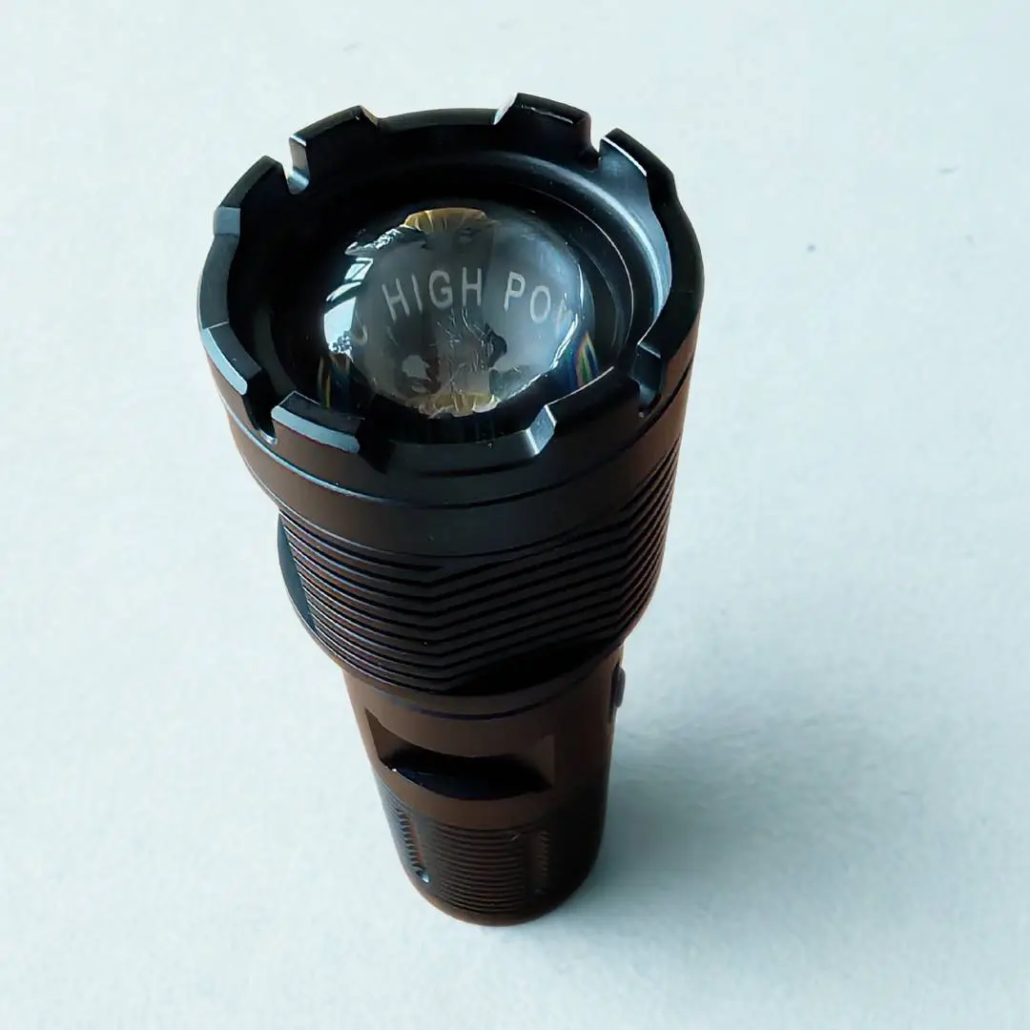
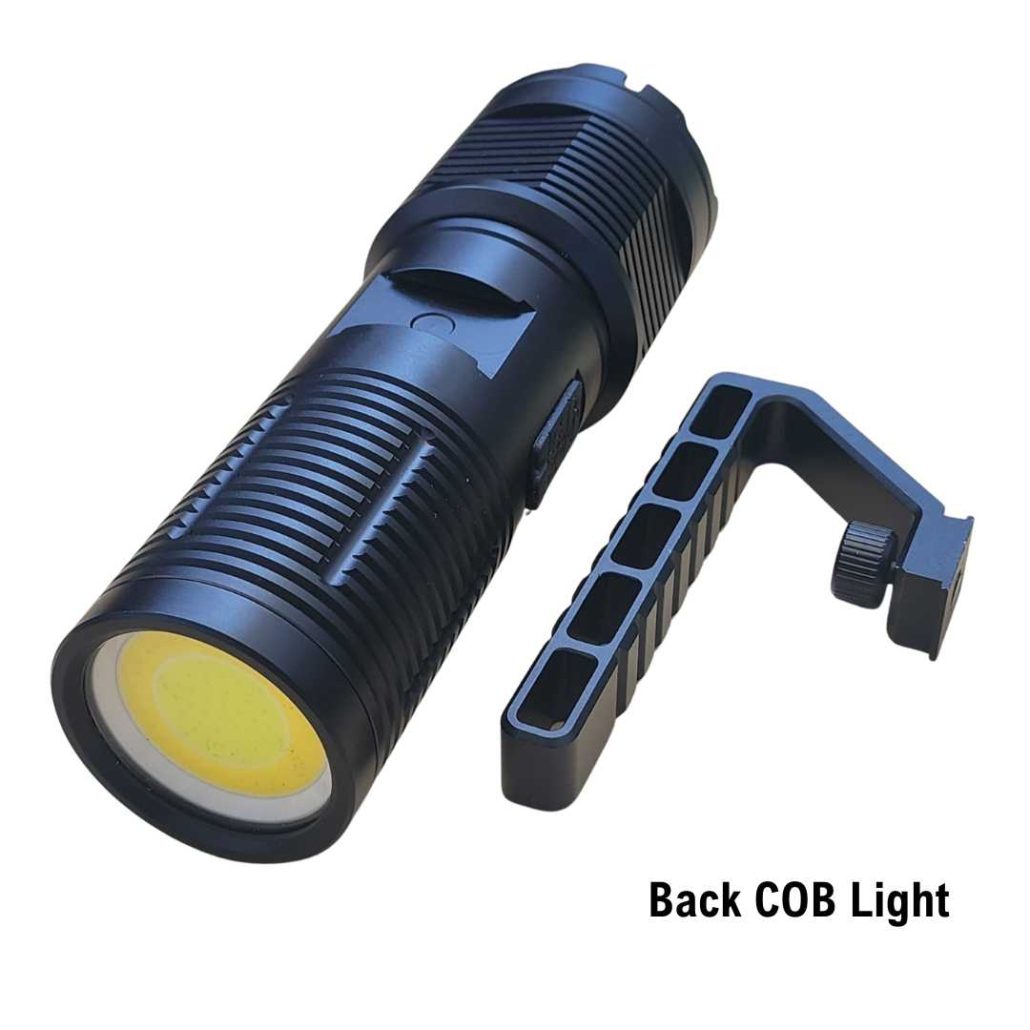
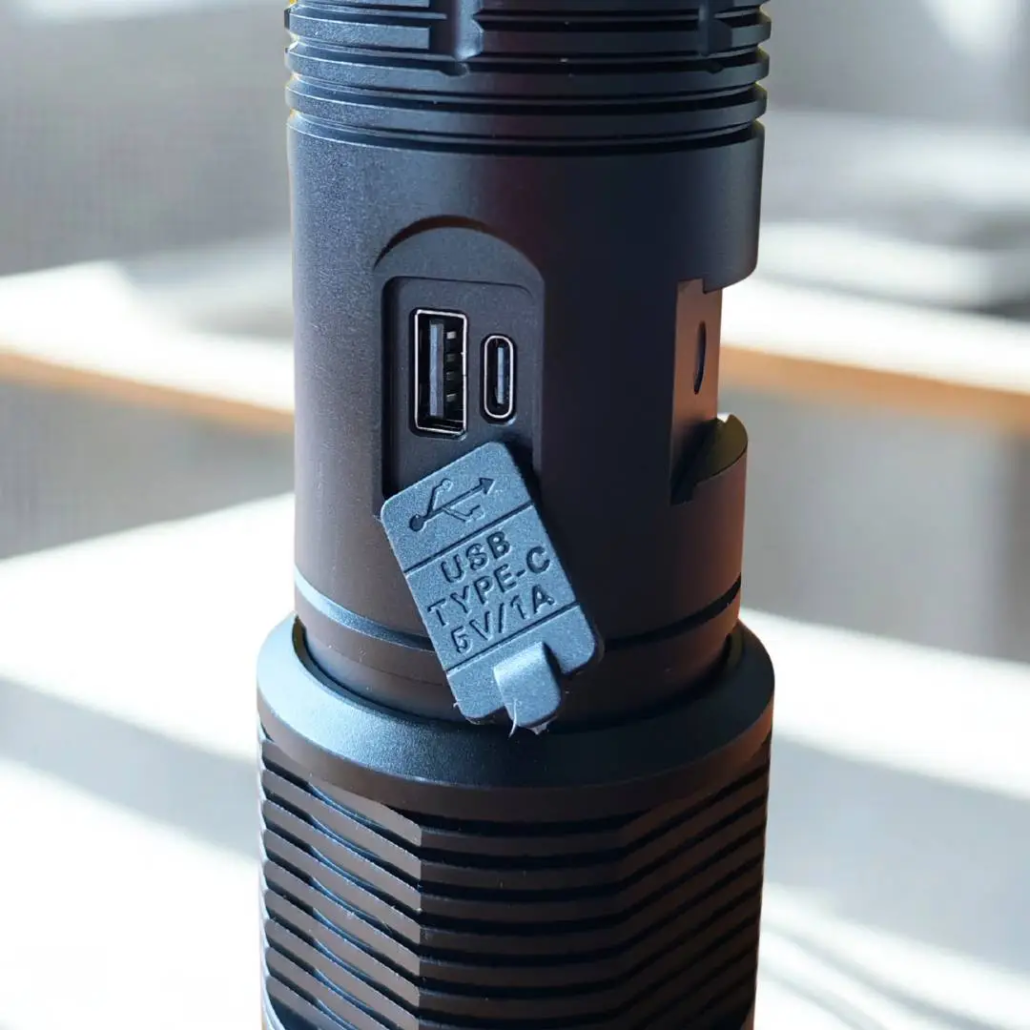
Compact everyday-carry option with Type-C fast charging, ideal for a torch you’ll actually use daily. View the LS-DT →


Best Hybrid Battery Options
Get the best of both worlds and choose between rechargeable or disposable in the same flashlight.
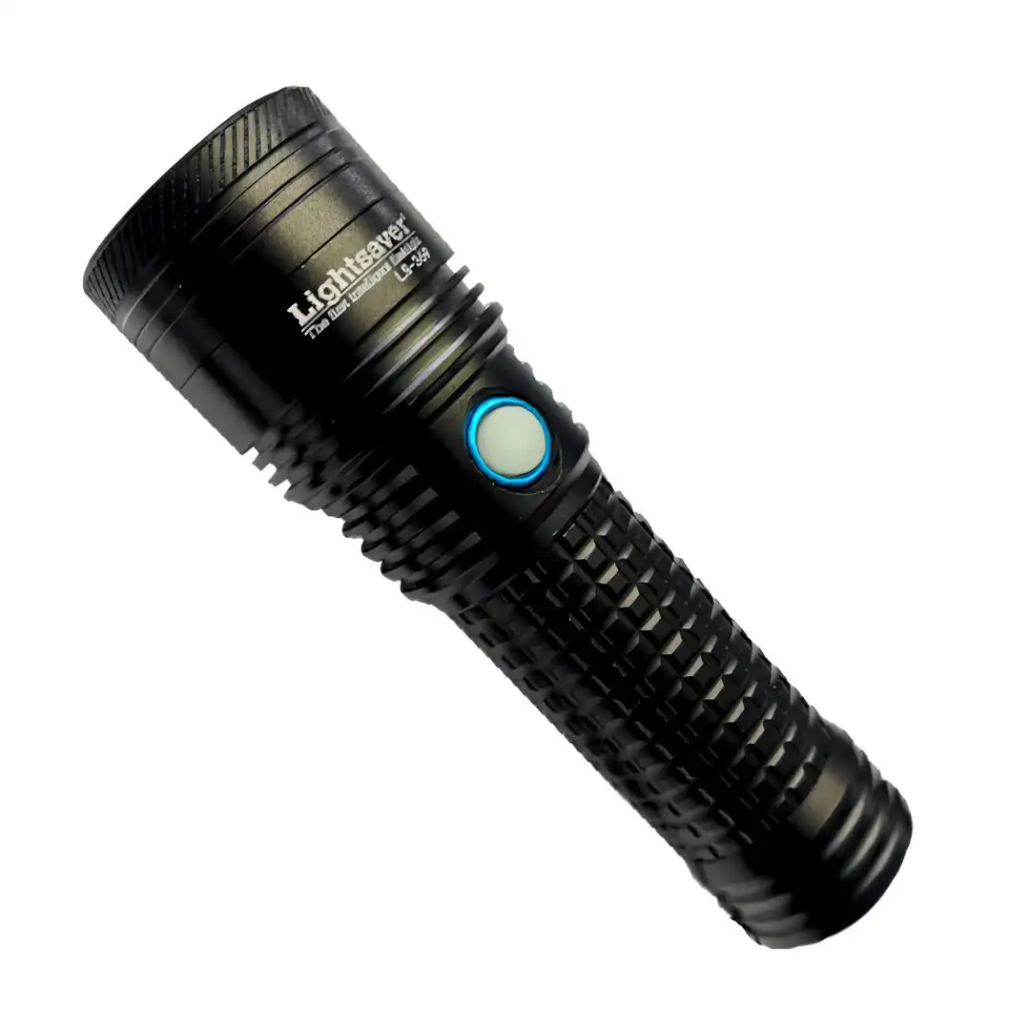
LS-369 Rechargeable Flashlight
A brilliant flashlight to use in all conditions and circumstances, this 1200 lumen, 10 watt LED aluminium alloy rechargeable flashlight comes with interchangeable power source options. It is also possible to screw in an emergency/traffic wand (which can be bought as an optional extra). View the LS-369 →

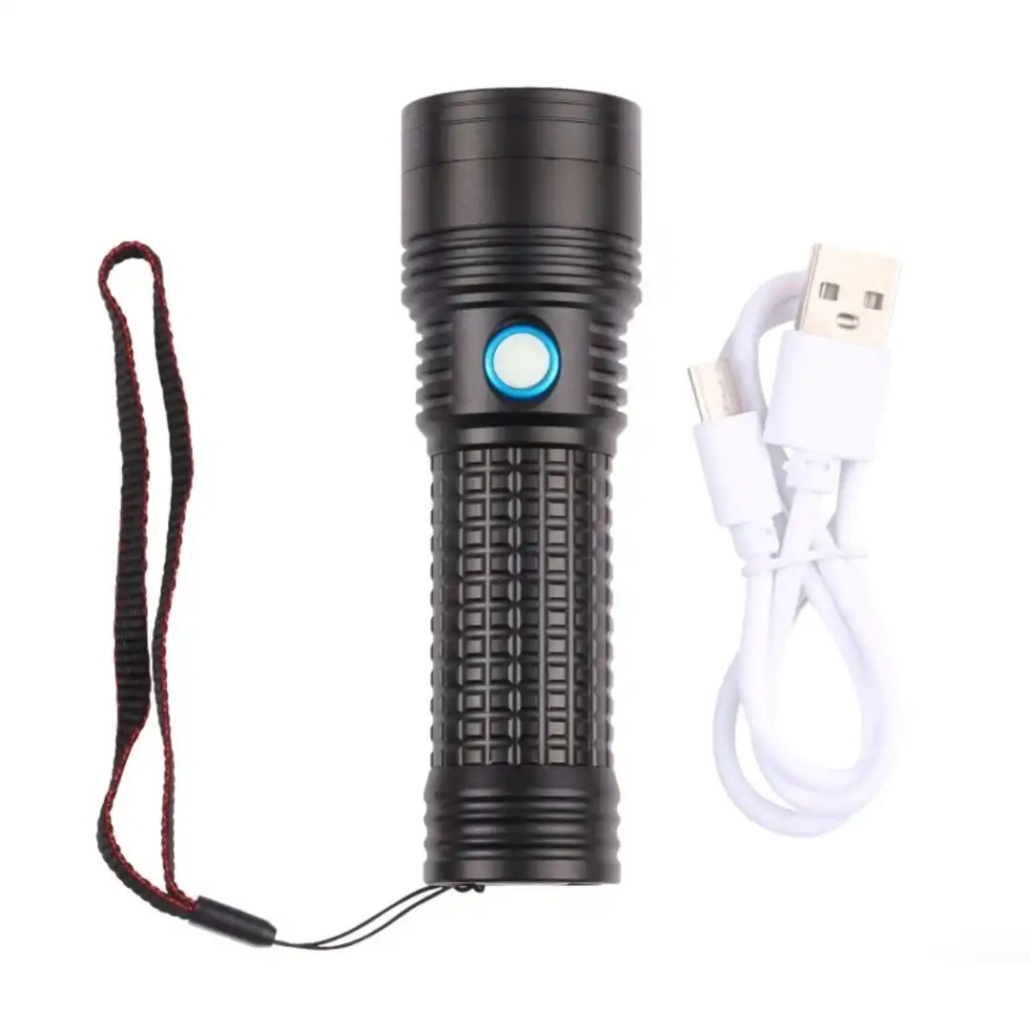

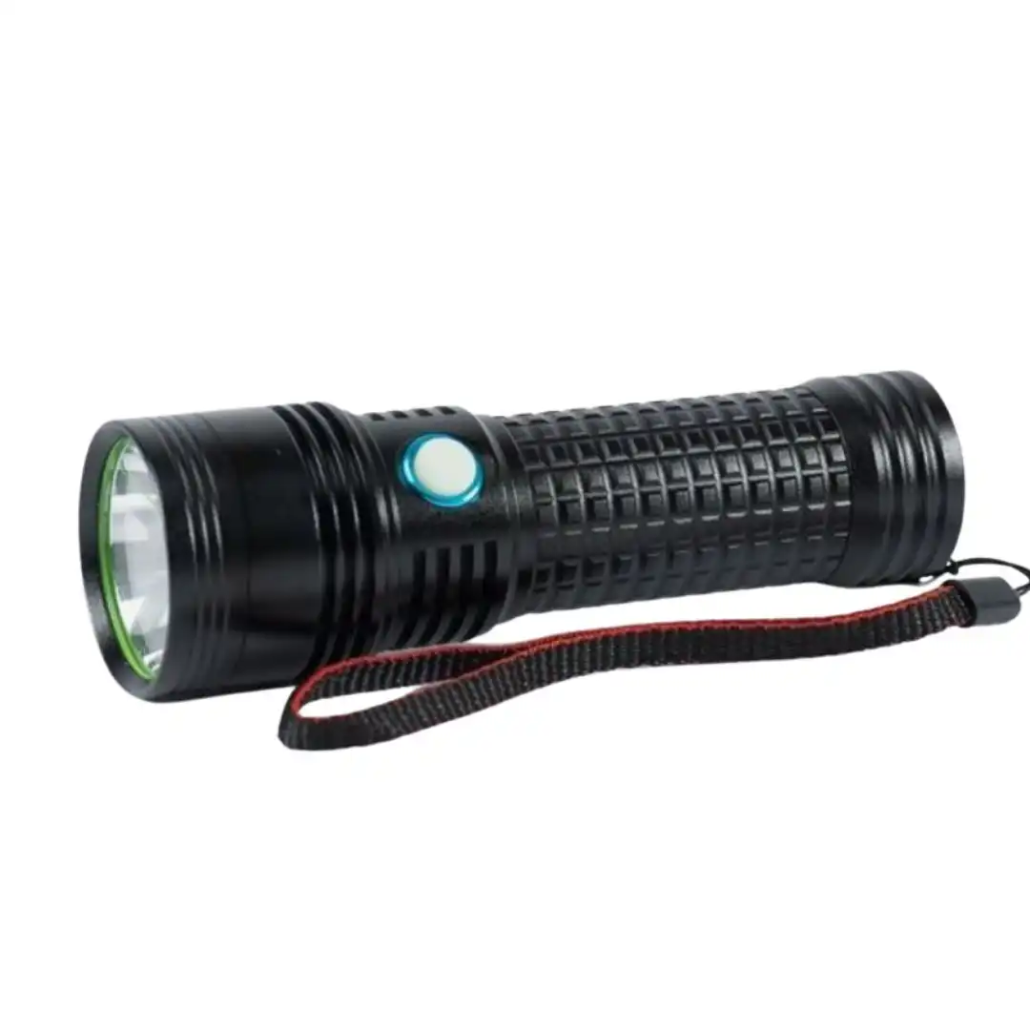
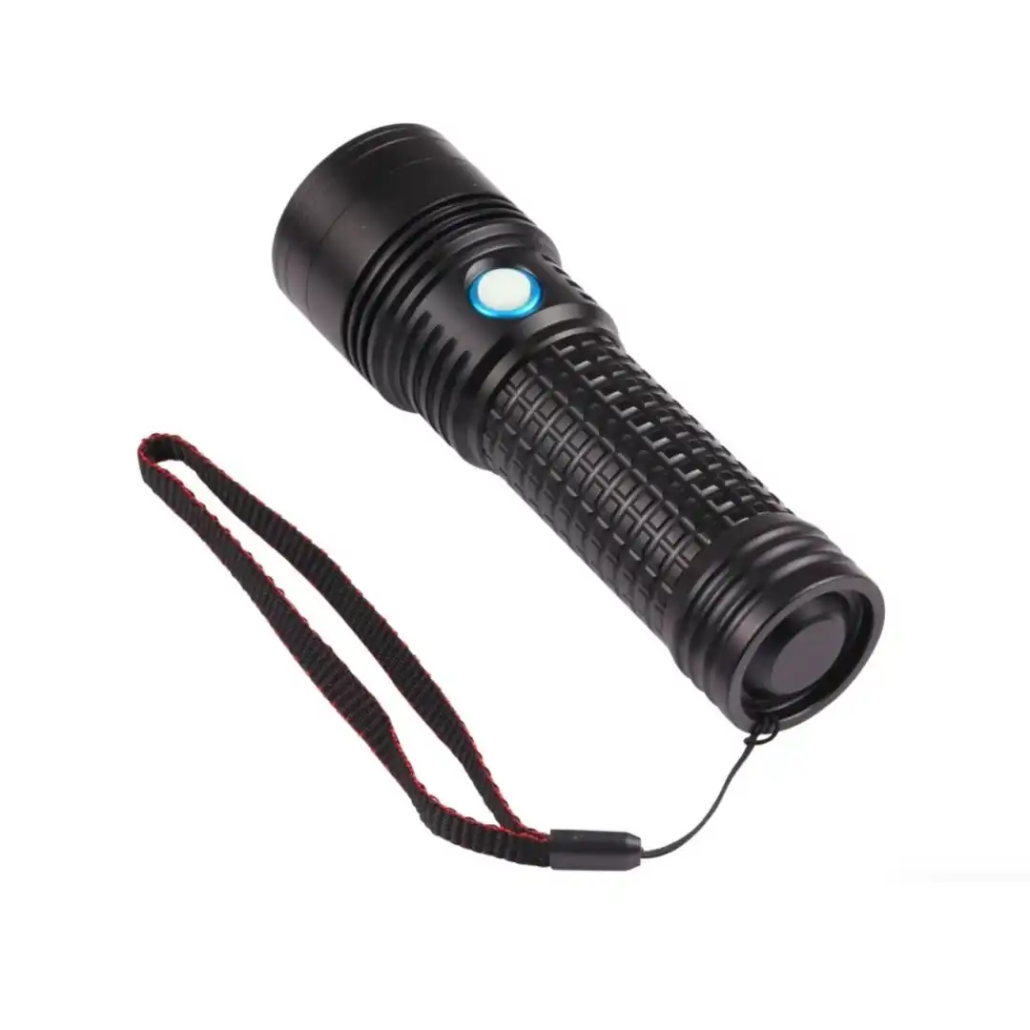
LS-803 Rechargeable Flashlight
The Lightsaver LS803 is a high-performance flashlight designed to meet the needs of professionals and outdoor enthusiasts alike. With a maximum output of 600 lumens, this flashlight provides a bright, powerful beam, and with its advanced spot-to-zoom function and multiple power source options, it offers a versatile lighting solution that can be customised to meet the needs of any situation. View the LS-803 →


Best Disposable Flashlights From Lightsaver
For flashlights that aren’t frequently used and typically sit stored in drawers or car gloveboxes until needed (just be sure to also keep sealed batteries for it close by for emergencies)
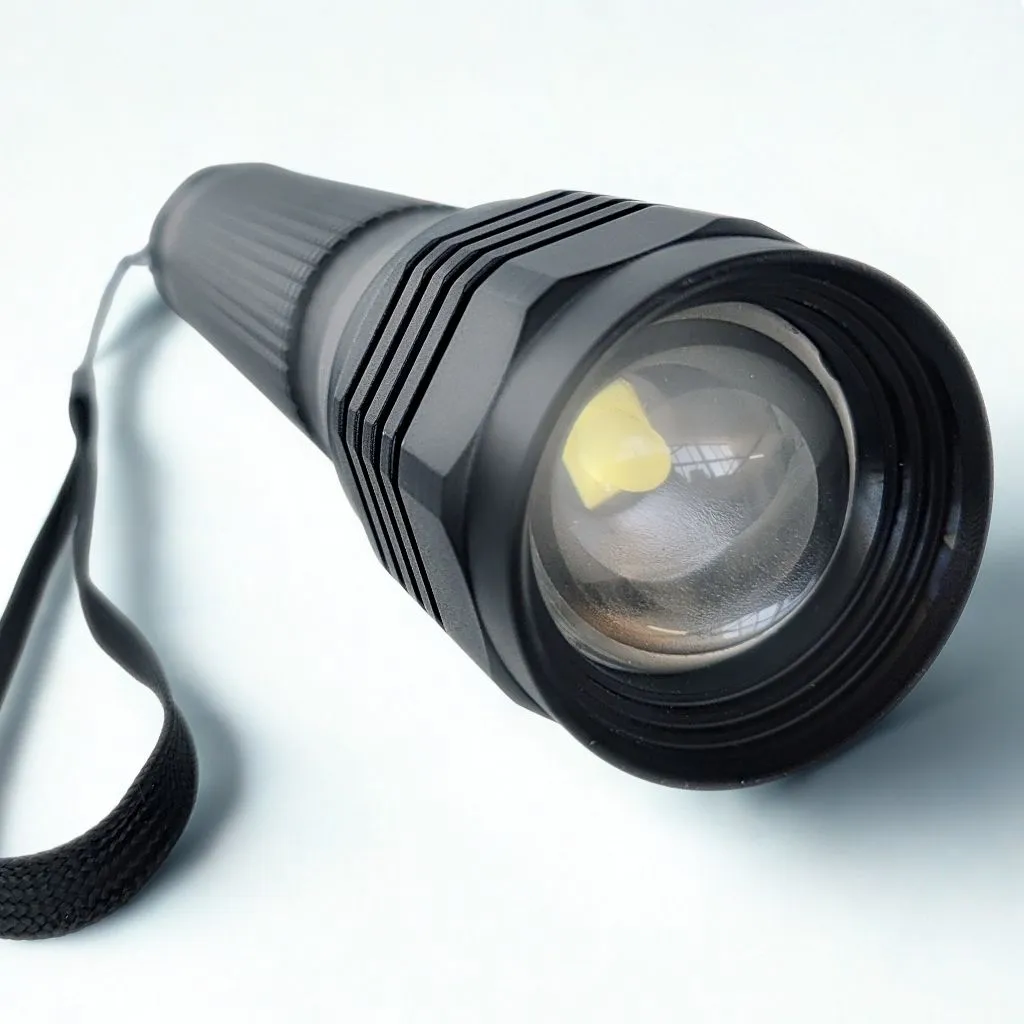
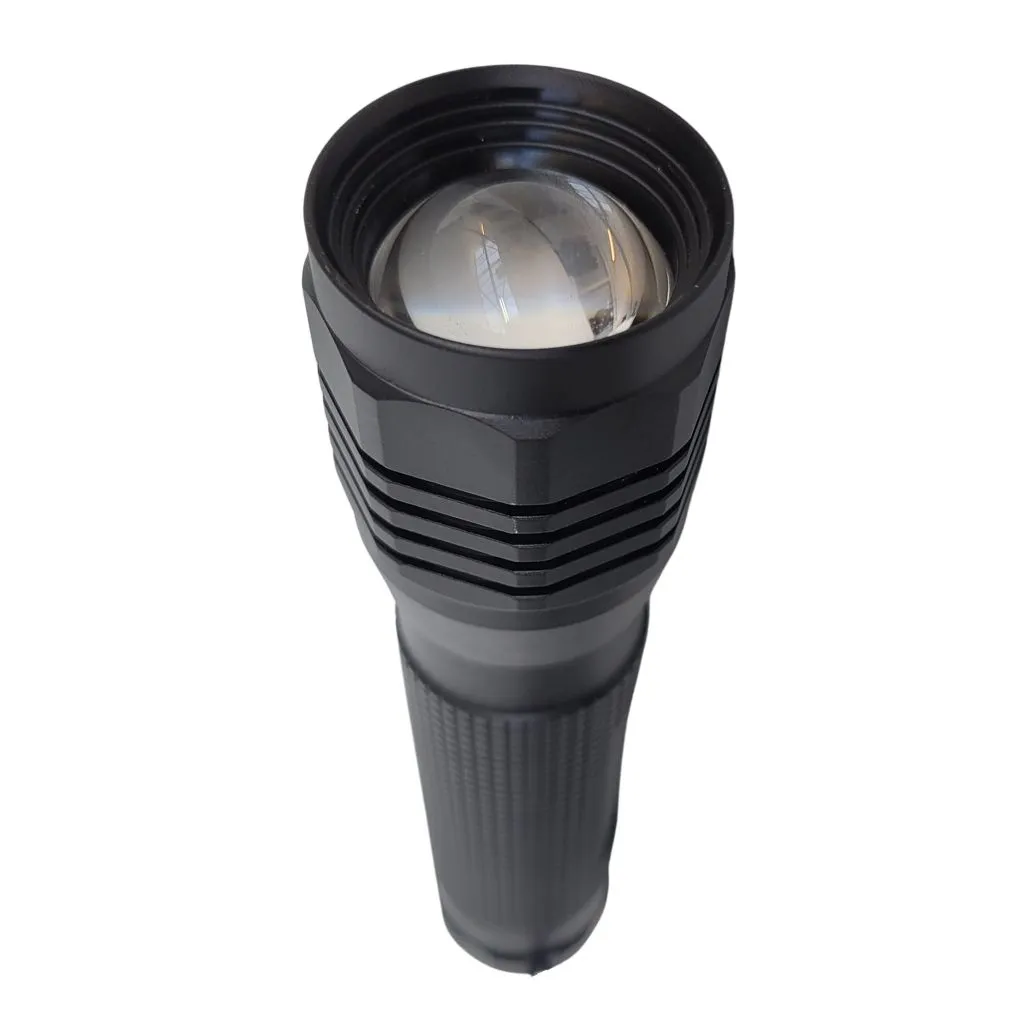
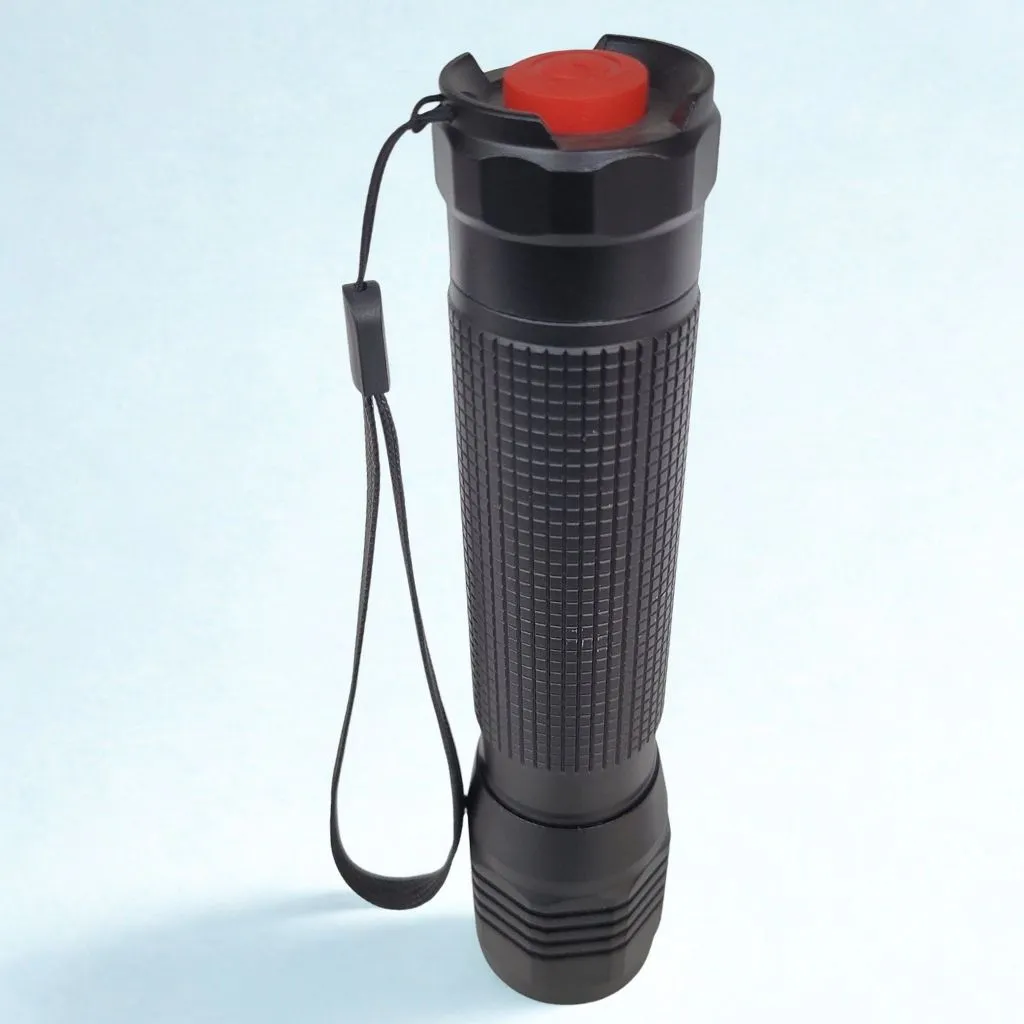
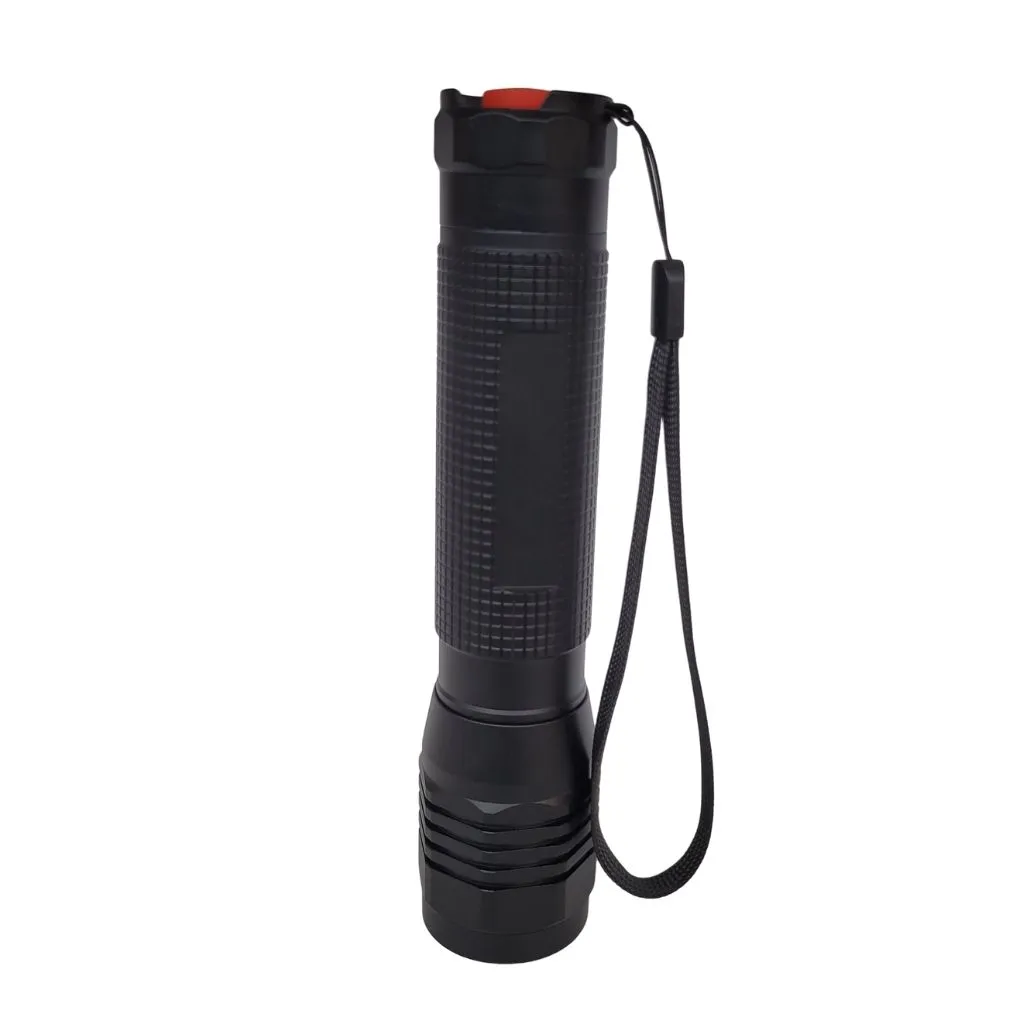
LS-310 Tactical Flashlight
A genuinely non-rechargeable option at 600 lumens, well suited to a car glovebox or emergency kit where shelf life matters more than running costs. View the LS-310 →

The Verdict
If you’ll use your torch more than a handful of times a month, rechargeable is the clear financial winner; the battery cost alone will pay off the price difference within months. Keep one reliable disposable-battery torch as backup for true emergencies, and you get the best of both: everyday savings, and peace of mind when the power’s out, and you haven’t charged anything in a while.
Frequently Asked Questions
Do rechargeable batteries really save money in the long run?
Yes. Despite a higher upfront cost, a rechargeable 18650 battery rated for 500–700 charge cycles typically costs far less over a year of regular use than continuously buying disposable batteries.
How long do rechargeable flashlight batteries last before needing replacement?
Most quality 18650 lithium-ion batteries last 500–700 full charge cycles, which for regular household use is typically 2–4 years before a battery replacement is needed.
Should I keep a disposable-battery torch as backup even if I own a rechargeable one?
Yes – it’s the most common practical setup. A rechargeable torch handles daily use cost-effectively, while a disposable-battery torch guarantees you have light even if your rechargeable one wasn’t charged in time.

Leave a Reply
Want to join the discussion?Feel free to contribute!